Skip to content

By Rabecca Mwila
In villages across Zambia, women start their days before dawn to tend crops, fetch water, care for children and prepare meals.
They are the backbone of Zambia’s food system, yet they often farm with the least support.
- Only 15% of parliamentarians are women.
- Fewer than 30% of working-age women are employed in formal roles.
- Many lack access to land titles, credit or agricultural inputs.
What if one of the most powerful tools for change was already within their reach?
Fermented liquid bio-fertiliser (FLBF) a low-cost, chemical-free soil booster made from cow dung, ash, molasses and water can make positive strides in improving their livelihoods.
Why FLBF Is a Game-Changer for Women Farmers
Unlike synthetic fertilisers, which require cash, travel to agro-dealers and heavy lifting, FLBF can be made at home, with local materials and minimal cost.
This matters deeply for women, who often:
- Manage small plots near the homestead,
- Rely on kitchen gardens for family nutrition,
- Use manure from household livestock,
- Prioritise soil health over short-term yield increase.
As the Kasisi Agricultural Training Centre (KATC) shows, FLBF is not just effective, it’s accessible, safe and scalable.
When women control the means of production, like making their own inputs, they gain autonomy, income and influence.
How Women Are Already Leading – From Kasisi to Chipata
At Kasisi Agricultural Training Centre, women farmers have been at the forefront of testing and teaching FLBF methods.
They have learned that:
- A single 200-litre drum can supply fertiliser for over half a hectare of maize or vegetables.
- The process takes no electricity, just time and observation.
- The ingredients cow dung, wood ash and sugarcane juice are already available in most rural households.
In Chipata, Eastern Province of Zambia, women’s groups are using FLBF to grow nutrient-rich vegetables like amaranth, okra and tomatoes, improving family diets while selling surplus at local markets.
In Mongu Western Province of Zambia, mothers are combining FLBF with composting and crop rotation to restore degraded fields without ever buying a bag of synthetic fertiliser.
These are not “subsistence” efforts. They are acts of resilience, innovation and sovereignty.
Breaking Down Barriers One Drum at a Time
Some women lack access to cattle (Cow dung). Others face cultural norms that limit their participation in decision-making. Many manage farming with unpaid care work.
But FLBF offers solutions even here:
- Share resources: Form cooperatives to pool manure, drums and labour.
- Start small: Make 20-litre batches for kitchen gardens first.
- Link to nutrition: Grow diverse crops that feed children and generate income.
- Document success: Use phones or notebooks to track yields and share results with husbands, chiefs or extension officers.
A Vision for the Future: Women as Input Innovators
Imagine a Zambia where:
- Every women’s group has a bio-fertiliser drum beside their garden,
- Extension services train women as FLBF champions,
- Schools teach girls that soil science is women’s knowledge too,
- Policymakers redirect even 5% of Farmer input support programme(FISP) funds toward supporting homemade organic inputs.
This is already beginning in backyards, church gardens and farmer field schools.
Download the Free Guide for details from here
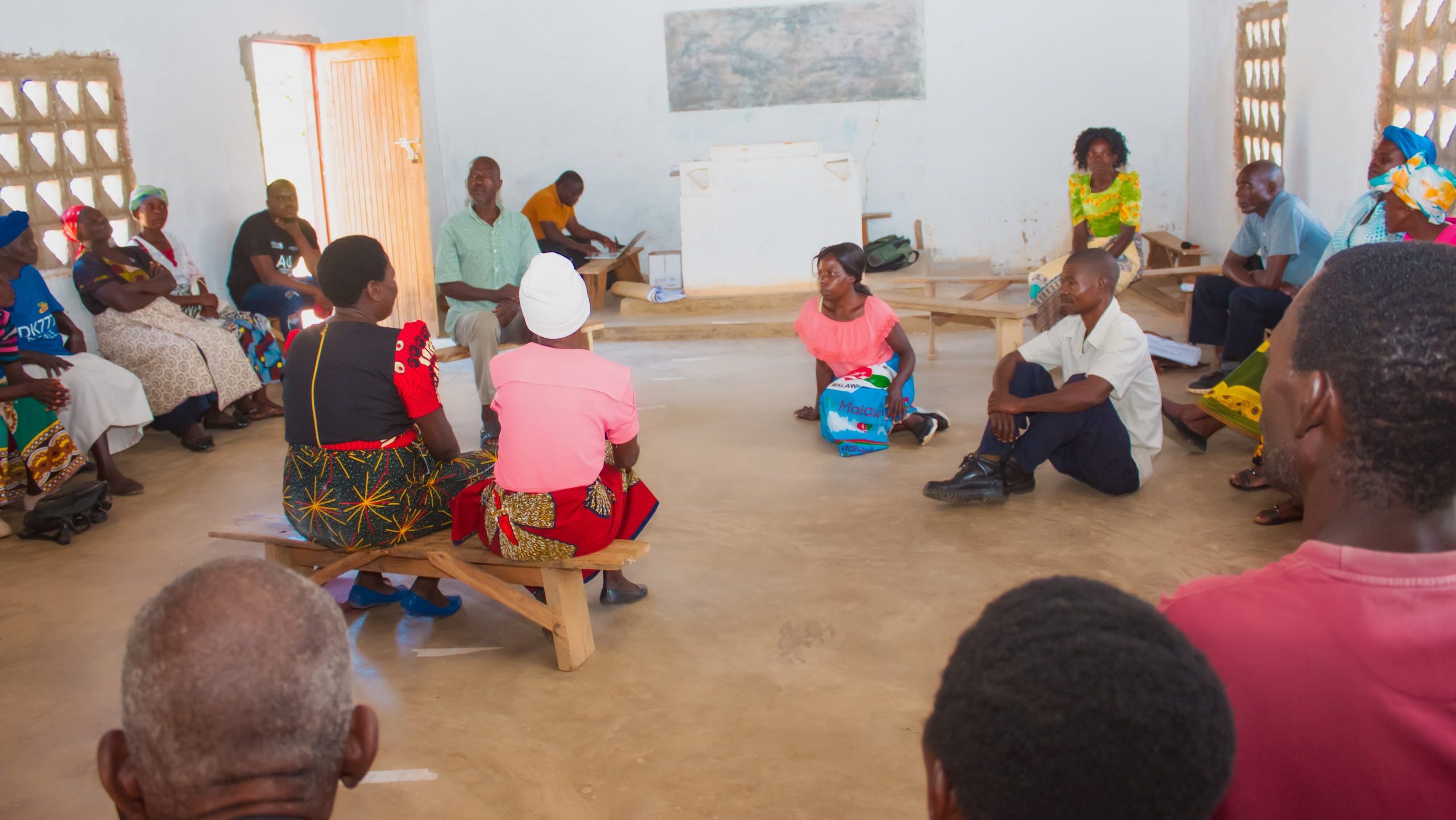
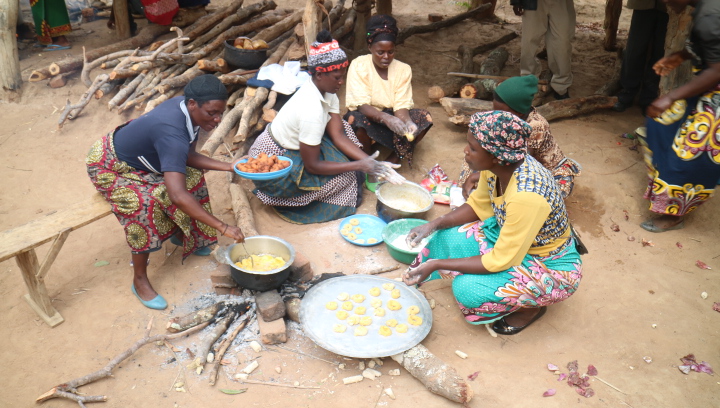
Image Caption: Women making biofertilisers during a KHSA refresher training in Zambia.
Credit: PELUM Zambia