Skip to content

By Rabecca Mwila
Southern Africa faces a puzzle. Despite decades of agricultural investment, food insecurity remains high, worsened by the escalating impacts of climate change. For years, smallholder farmers have been encouraged to adopt conventional methods reliant on agro-chemicals to boost productivity.
Yet, the reality on the ground tells a different story. Instead of prosperity, many farmers face reduced yields, increased pest infestation, and degraded soils. As the Kusamala Institute’s 2023 policy brief from Malawi highlights, industrial farming systems often prioritise yield at the expense of nutrition and environmental health, trapping farmers in cycles of dependency on expensive inputs.
The question begs an answer: Should smallholder farmers continue producing food through conventional methods?
Recent evidence suggests the answer is no. Recently, leaders from across the region gathered in Zambia to prove it.
KHSA Leadership Collective: Strengthening Policy and Advocacy
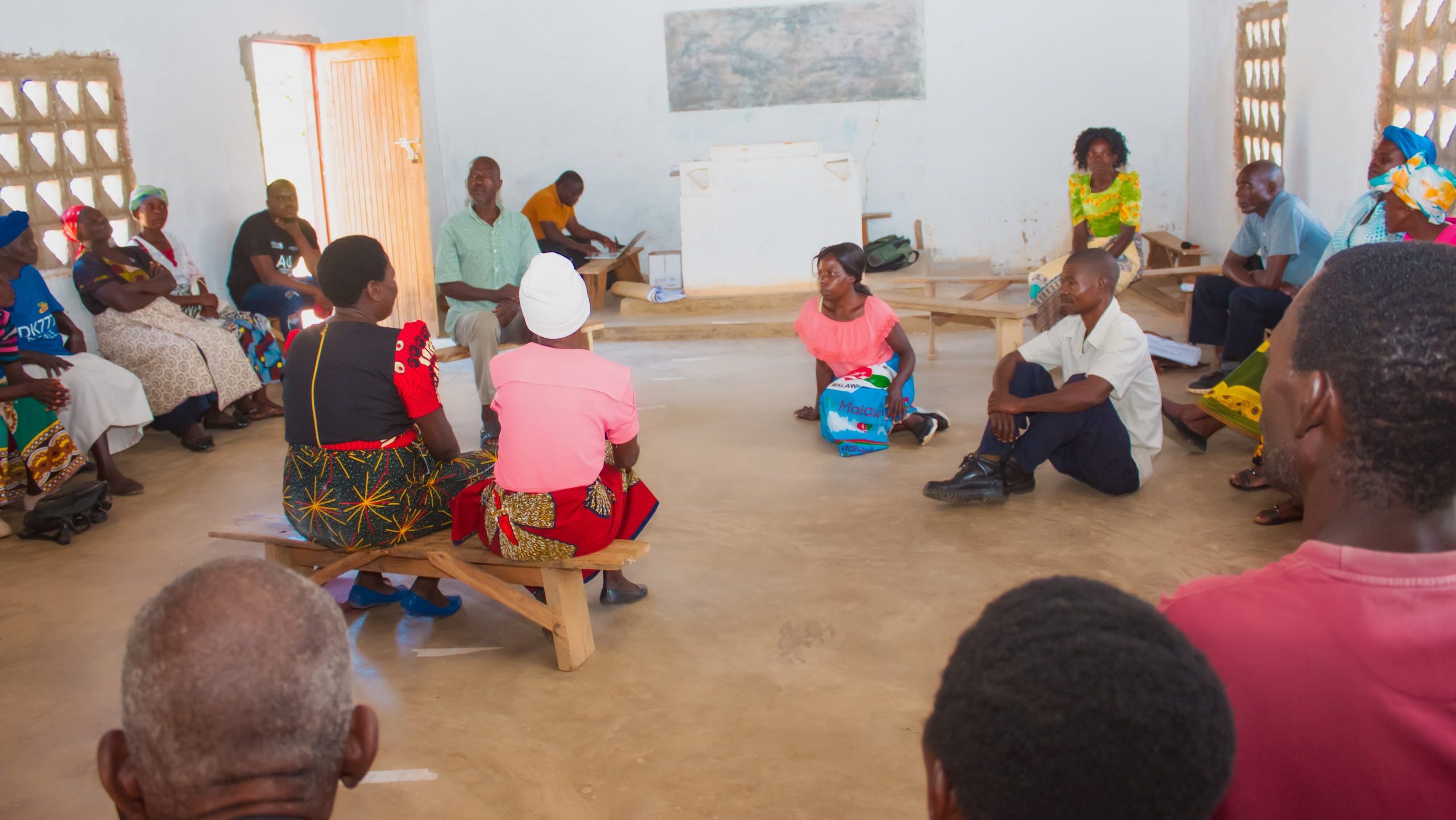
The Knowledge Hub for Organic Agriculture and Agroecology in Southern Africa (KHSA) recently held a three-day Leadership Collective meeting in Zambia. The goal was clear: strengthen the capacity of regional leaders to influence policy and advocacy for Organic Agriculture (OA) and Agroecology (AE).
Through practical knowledge exchange, peer learning, and engagement with policymakers, institutions, and media, participants co-created a regional policy engagement framework.
Participants represented KHSA partners from Malawi, South Africa, Namibia, and Zambia. They were joined by government representatives from key Zambian ministries, including the Ministry of Agriculture and the Ministry of Fisheries and Livestock, alongside civil society organisations championing environmental sustainability, media, and the private sector.
Debunking the Myth: Agroecology Can Feed the World
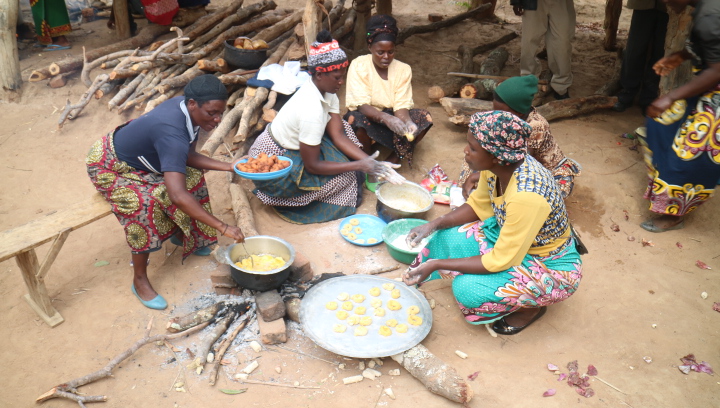
A persistent barrier to agroecology adoption is the myth that it cannot produce enough food. The meeting’s “food jam session” challenged this.
Participants visited Loctaguna Organics Farm, witnessing first-hand how food can be grown without synthetic inputs. Here, theory met practice:
- Soil Fertility: Instead of chemical fertilisers, the farm demonstrated techniques similar to the Kasisi Agricultural Training Centre (KATC) Fermented Liquid Bio-Fertiliser method—using cow dung, molasses, and ash to create nutrient-rich microbial brews.
- Pest Control: Crops were protected using botanical sprays, echoing the SFHC Malawi flyer on using Mtetezga (Tephrosia vogelii) for beans and Chisoyo (Vernonia amygdalina) for maize.
- Integration: Animal production, water harvesting, and crop production were integrated to form a resilient systems approach.
This aligns with findings from the 2024 Agroecological Multi-Ministerial Policy Briefing Pack, which shows that agroecological maize farming in Zambia delivers $304 profit per LIMA, nearly double conventional methods ($186) by cutting input costs while maintaining yields.
Policy in Action: Zambia’s National Agroecology Strategy (NAS)
Panel discussions drew key lessons from Zambia’s National Agroecology Strategy (NAS) development process.
Joseph Cheelo, Principal Agriculture Specialist from the Ministry of Agriculture, emphasised the strategy’s potential:
“Once developed and implemented, the NAS will guide the integration of agroecological principles and practices into national agricultural policy and programming.”
Cheelo noted that the strategy, supported by Food and Agriculture Organisation, GIZ, Zambia Alliance for Agroecology and Biodiversity(ZAAB), and Participatory Ecological Land Use Management (PELUM) Zambia and other civil society organisations aims to:
- Strengthen climate resilience,
- Improve food security,
- Enhance biodiversity,
- Reduce reliance on synthetic inputs,
- Empower small-scale farmers through ecosystem-based approaches.
The NAS is currently undergoing consultation, including engagement with line ministries, a critical step highlighted in the 2024 Multi-Ministerial Brief, which calls for cross-sectoral collaboration between agriculture, health, energy, and environment ministries to generate synergistic benefits.
Regional Learning: From Malawi to South Africa
Ireen Kadzere, representing the Research Institute of Organic Agriculture (FiBL) in Switzerland, highlighted the importance of knowledge exchange:
“It is interesting to see how the various components at this farm… are integrated to form a systems approach. We have seen biodiversity at this farm, and they are integrating with markets, so this is very good when organic agriculture and agroecology can bring income.”
Kadzere noted that through the KCOA project’s focus on knowledge management, learning exchanges translate theory to practice, creating practical evidence for adoption.
This regional solidarity is crucial. As the Malawi Sustainable Food Systems Brief warns, industrial farming drives malnutrition and soil degradation. By sharing solutions—like Participatory Guarantee Systems (PGS) from South Africa for local certification, or botanical pest control from Malawi—countries can avoid repeating mistakes and scale what works.
Sustaining Momentum Beyond the Project
Angela Coetzee, KHSA Project Director, affirmed Zambia’s leadership role:
“Zambia is leading in the development of the National Agroecology Strategy on the continent and has formed the foundation for knowledge sharing, learning and networking among stakeholders in the Southern region and the continent.”
She added:
“We have worked in Zambia for the past 7 years, and as our project comes to a close, we are very keen to ensure we don’t lose momentum… which is why we have brought other partners for this networking event.”
About the Knowledge Hub for Organic Agriculture and Agroecology (KHSA)
The Knowledge Hub for Organic Agriculture and Agroecology in Southern Africa (KHSA) is part of the Knowledge Centre for Organic Agriculture in Africa (KCOA). This collaborative, country-led partnership is funded by the German Federal Ministry of Economic Cooperation and Development (BMZ) and implemented by the Deutsche Gesellschaft für Internationale Zusammenarbeit (GIZ) GmbH and non-governmental organisations across Africa.
The KCOA aims to scale up the adoption of agroecological and organic farming practices through five knowledge hubs in Africa (North, West, East, Central, and Southern Africa).
The Sustainability Institute (South Africa) supports project implementation in Southern Africa, working with eight country partners and four Ecological Organic Agriculture Leaders in its Leadership Collective. Our partners include:
- Zambia: PELUM Zambia and Kasisi Agricultural Training Centre
- Namibia: Namibia Nature Foundation and Namibian Organic Association
- South Africa: South African Organic Sector Organisation (SAOSO) and PGS South Africa
- Malawi: Soils, Food and Healthy Communities (SFHC) and Kusamala Institute of Agriculture and Ecology
Together, we are building a food system that is sustainable, inclusive, and just—for everyone.
Image Caption:Kanangwa Newlove, owner of Loctaguna Organics Farm in Zambia, gives an overview of the farm during a Food Jam session organised by the Knowledge Hub for Organic Agriculture and Agroecology in collaboration with FiBL and the RAENS project.
Credit: Thompson Mwale